Stories
A century in uniform, one story at a time.
Short films by Dr. Kamal S. Kalsi, D.O.: the fight to serve with turban and beard, the Sikh soldiers who came before, and what it all sounds like at home. 12 stories, captioned, free to share.
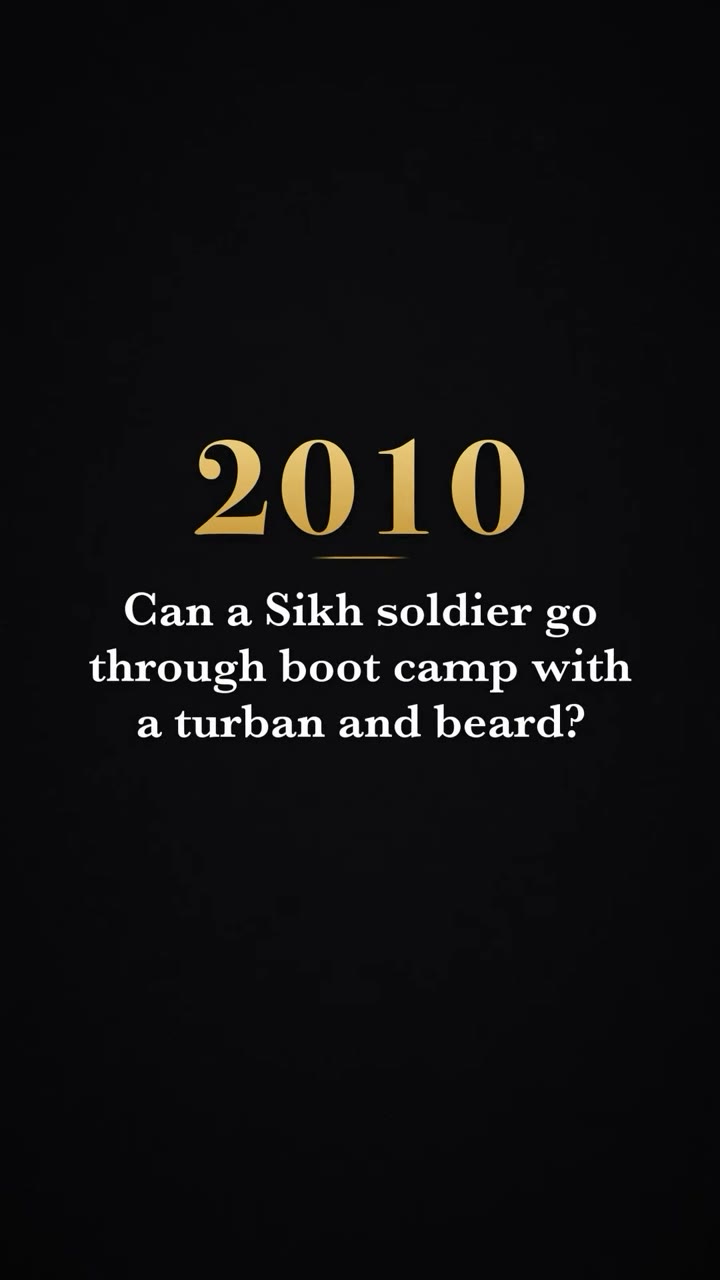 “There’s no way.” An hour later, he called back.2:44 · start here
01 · The fight to serve
One captain’s turban. A policy for everyone.
How a 2009 accommodation became the Army’s 2017 policy, and how the same question reached the Marine Corps and a federal court in 2022.
-
2:44
“There’s no way.” An hour later, he called back.
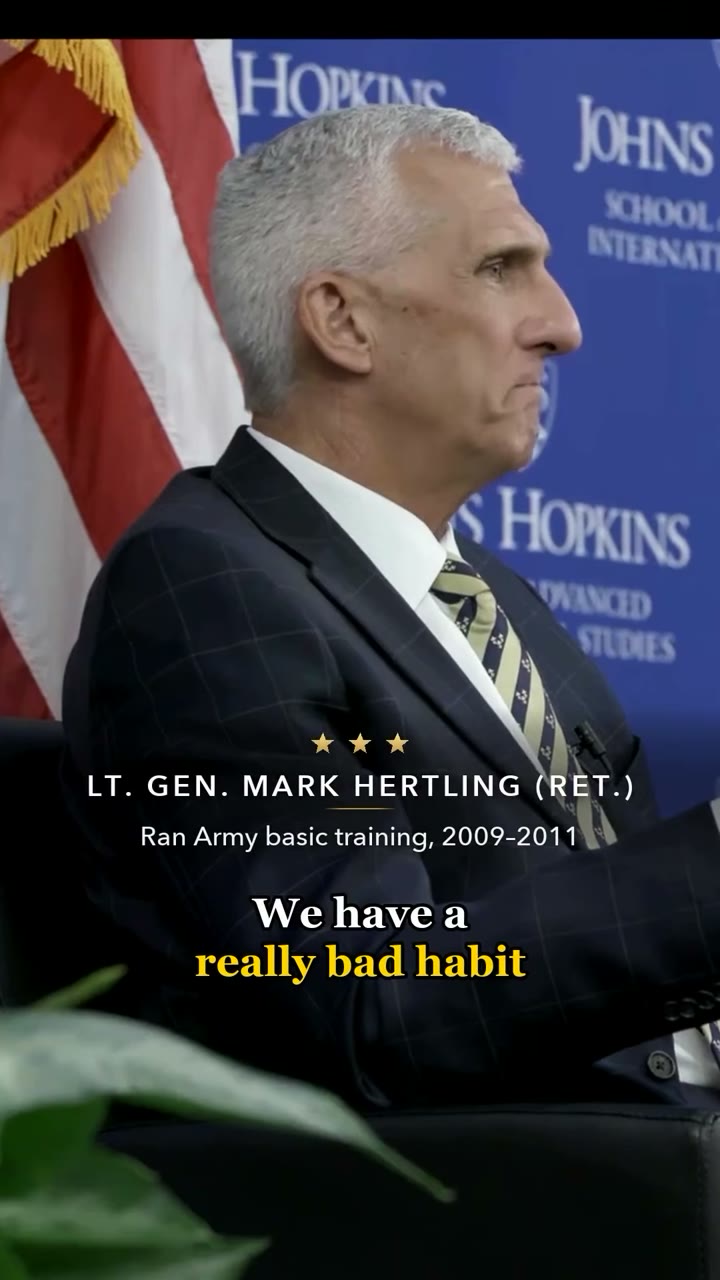
In 2010 the general in charge of Army basic training said no to a young captain who wanted to keep his turban and beard. Lt. Gen. Mark Hertling (Ret.) tells what happened next, and what followed in 2015 and 2016.
-
 2:12
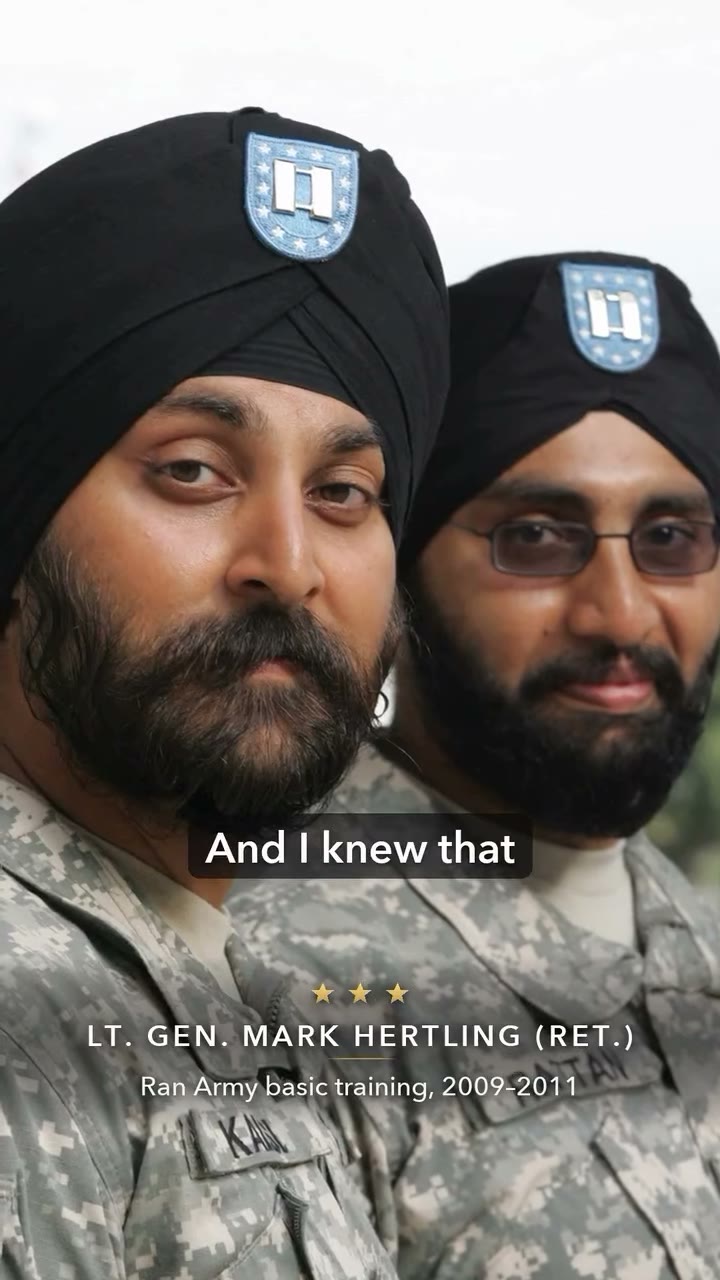
“We really had done something significant.”
The general flew to San Antonio to meet a captain with a turban. Eight years later, at Johns Hopkins SAIS, he told a room the rest of the story: the first Sikh soldiers in 23 years to keep their turbans and beards, and a turban his mother made for graduation day.
-
 2:42
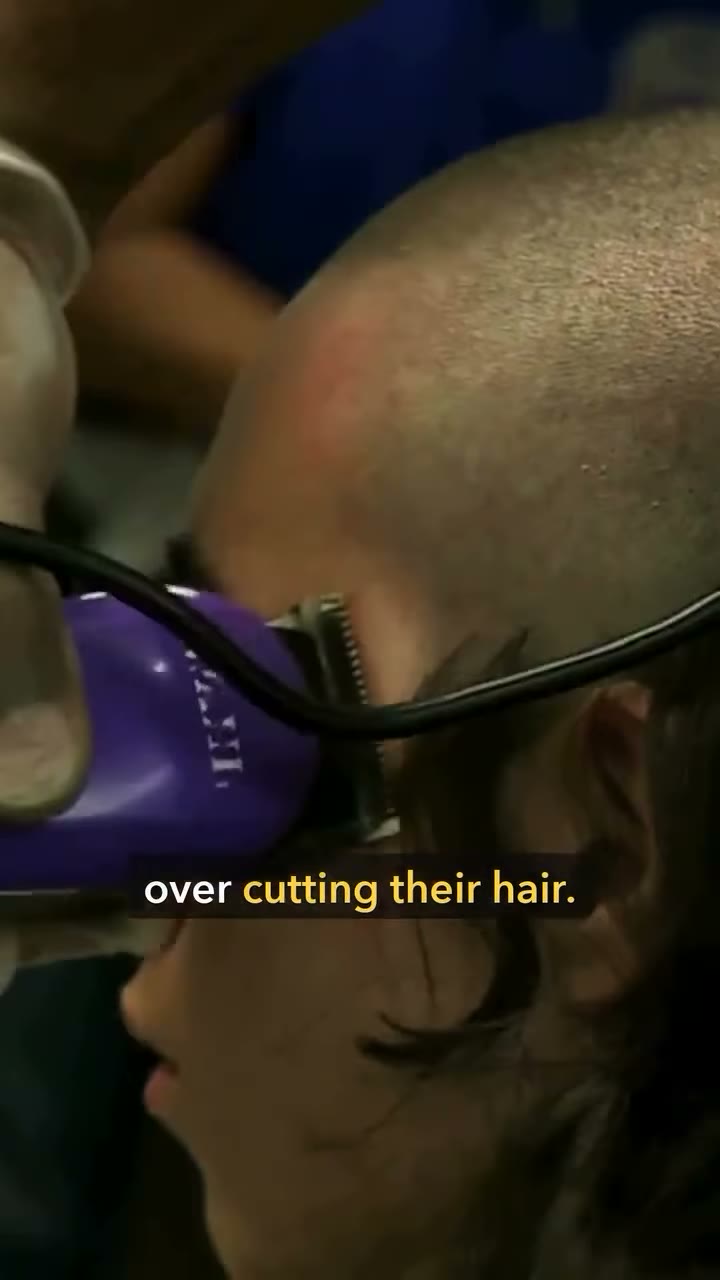
Shave, or go home.
By 2022 the Army, Navy, Air Force and Coast Guard had made room for the turban, even in basic training. The Marine Corps had not. Three fully qualified recruits waited more than a year on their appeals, then went to the U.S. Court of Appeals in Washington. This is what their lawyer said in court.
-
 2:58
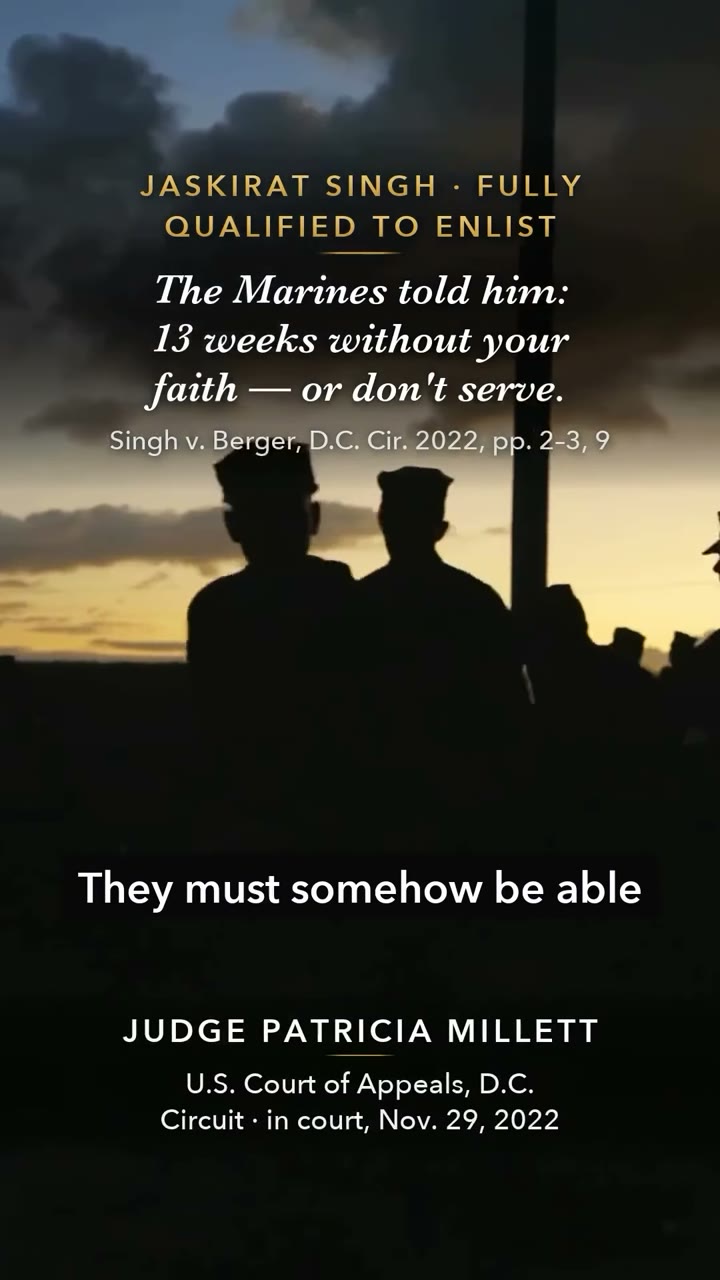
Why not both?
Three federal judges asked the Marine Corps the question Dr. Kalsi had been asking since 2009: if sailors keep their turbans on the same ships, and midshipmen for four years at the Naval Academy, why not Marines in boot camp?
02 · A century in uniform
The soldiers history almost forgot.
Turbans in the Union line in 1864, Sikh regiments in France in 1915, a veteran’s long road to citizenship, and a drum older than all of it.
-
 2:58
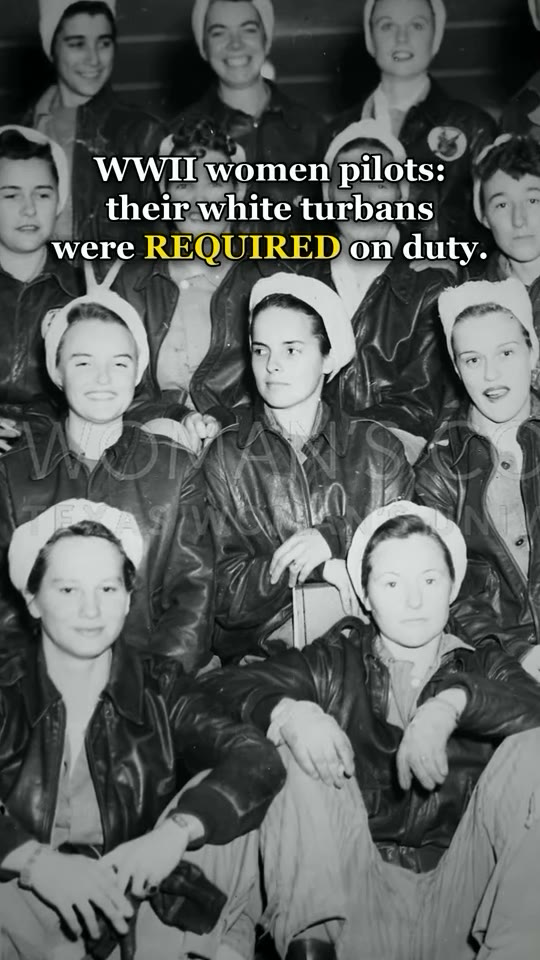
The women who flew in white turbans.
In 1944 the Women Airforce Service Pilots were required to wear white turbans on duty at Avenger Field, Texas. In 2009 the Army told Dr. Kalsi his was not allowed. The WASPs ferried fighters, towed targets for live fire and flew America’s first jet.
-
 2:40
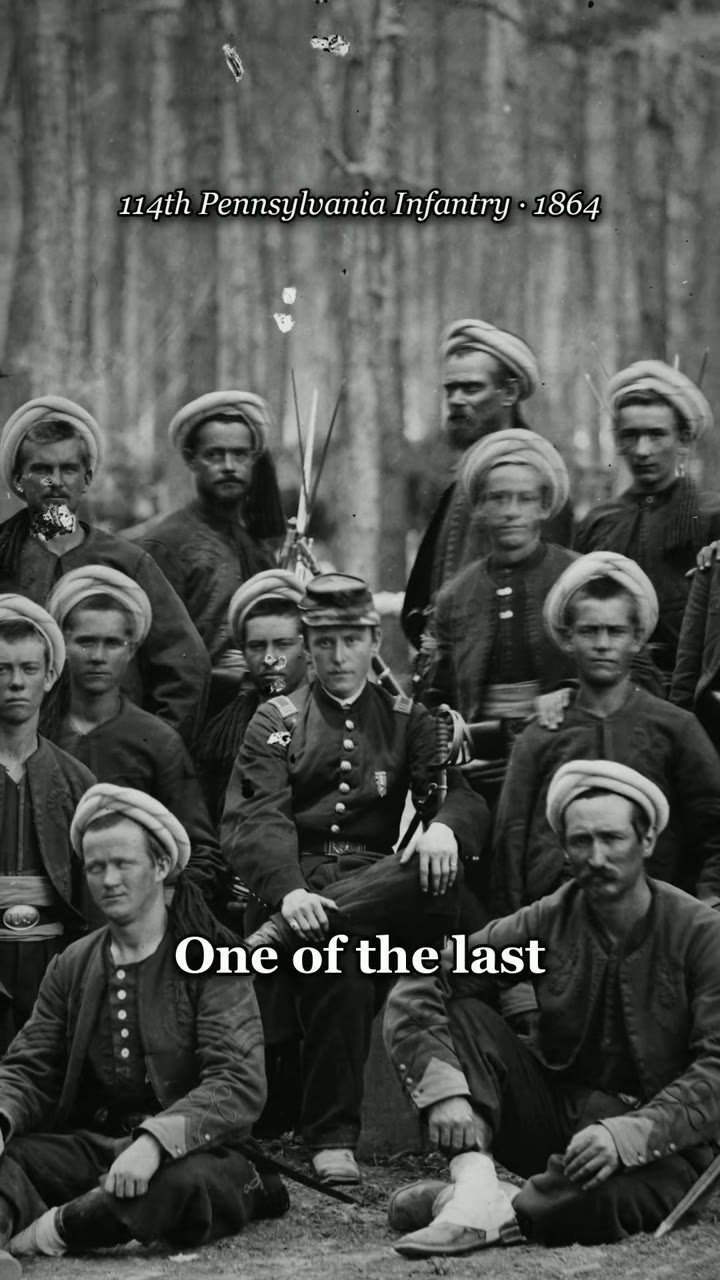
A white turban at the end of the Civil War.
Union Zouaves of the 114th Pennsylvania at Petersburg, 1864: white turbans, thick beards, fixed bayonets. One of the last Union soldiers killed in the war wore one. He was not Sikh. His story, and what the photograph meant to a doctor told turbans were not allowed.
-
 1:46
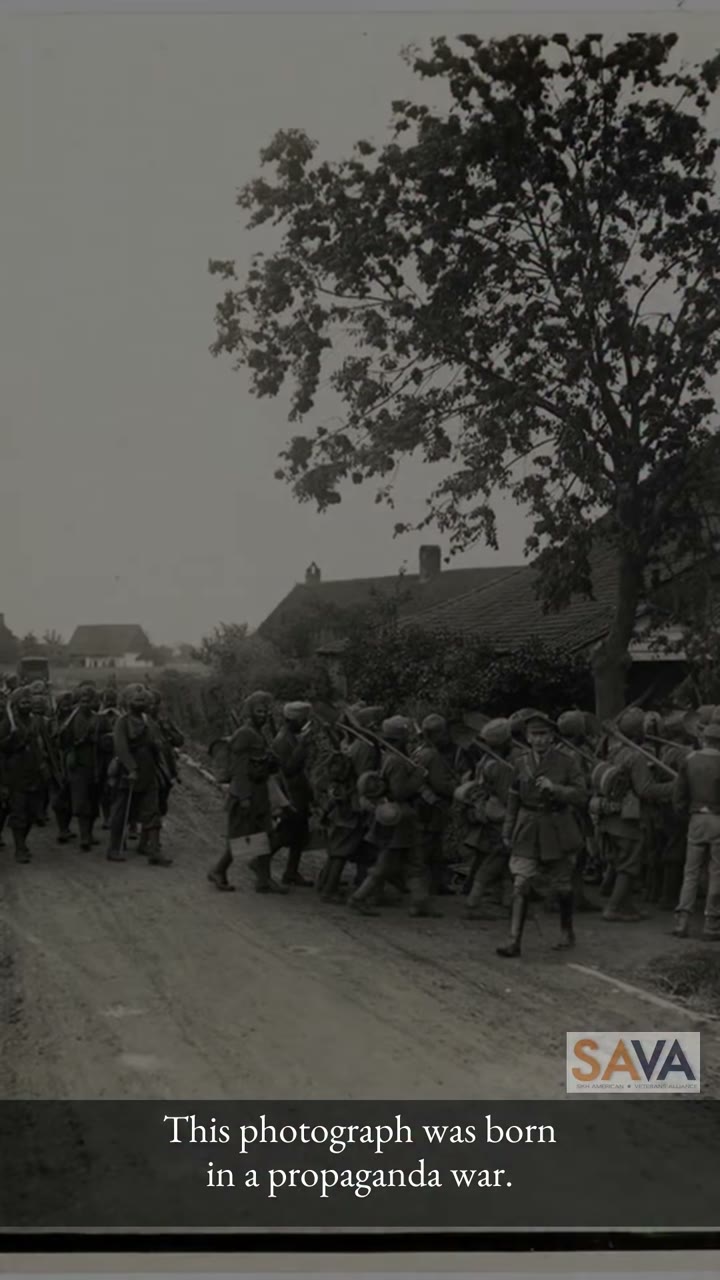
A photograph born in a propaganda war.
July 24, 1915: the 15th Ludhiana Sikhs march into billets at Le Sart, France, in front of H.D. Girdwood’s camera. The picture was meant to show obedience. What it preserved were the faces of men who tied their turbans in the dark before dawn.
-
 1:46
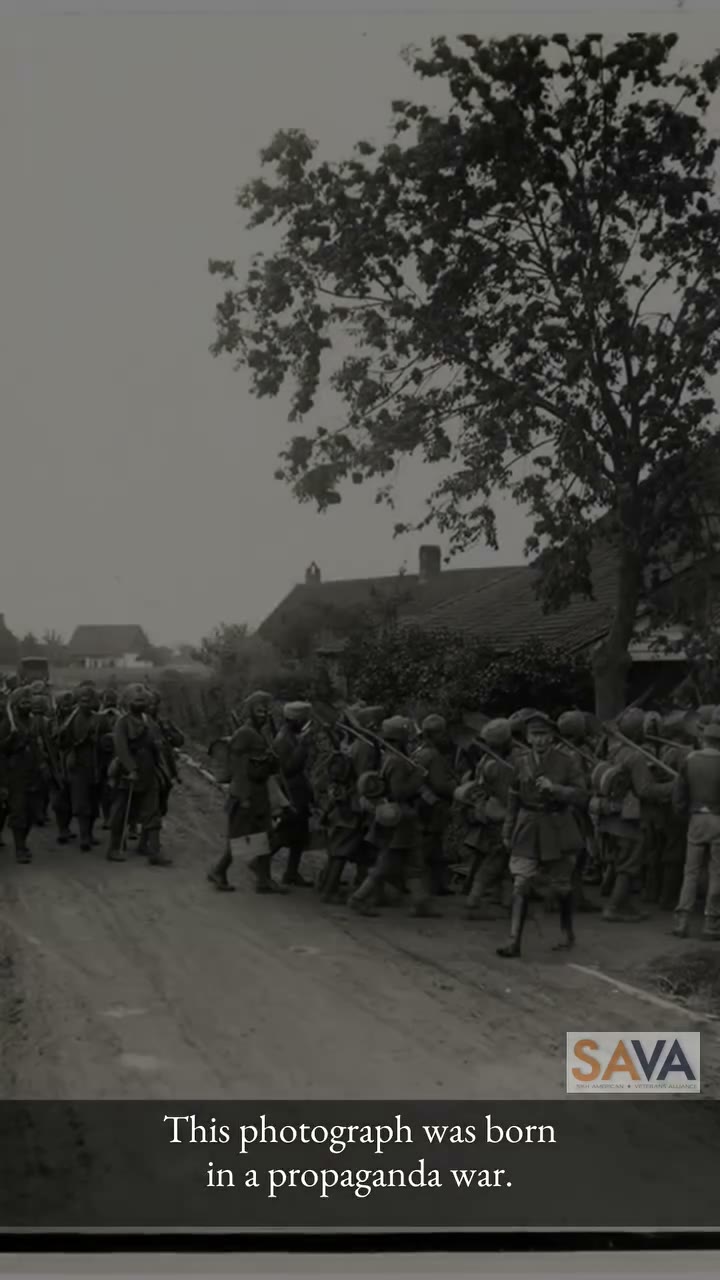
The Photographer’s Gaze.
Before color film, a photographer in the trenches of the First World War turned his lens toward Sikh soldiers on the Western Front. One act of witness preserved what the history books almost left out.
-
 2:18
Someone has to stick up like a nail.
In 1918 Bhagat Singh Thind enlisted in the U.S. Army and wore his turban in uniform. In 1923 the Supreme Court ruled him ineligible for citizenship. He stayed, and in 1936 became a citizen as a veteran. Almost a hundred years later, Dr. Kalsi wore the same uniform with his turban.
-
 1:33
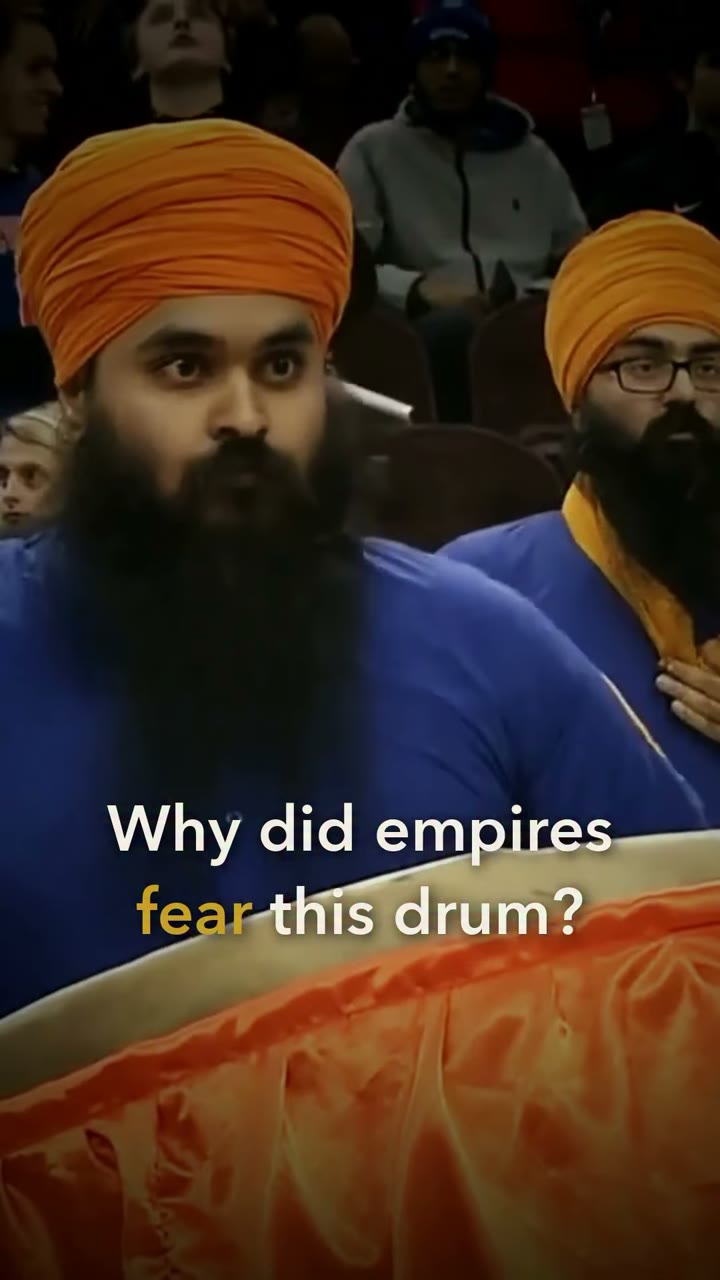
Why did empires fear this drum?
In 1684 Guru Gobind Singh had a great kettledrum made at Anandpur and named it Ranjit Nagara, the drum of victory. For more than 340 years the nagara has called Punjab together: to pray, to feed anyone hungry, to stand against injustice.
03 · In his own words
An Army physician’s own story.
Afghanistan in 2011, what came ten years later, and what it all sounds like at home.
-
 2:06
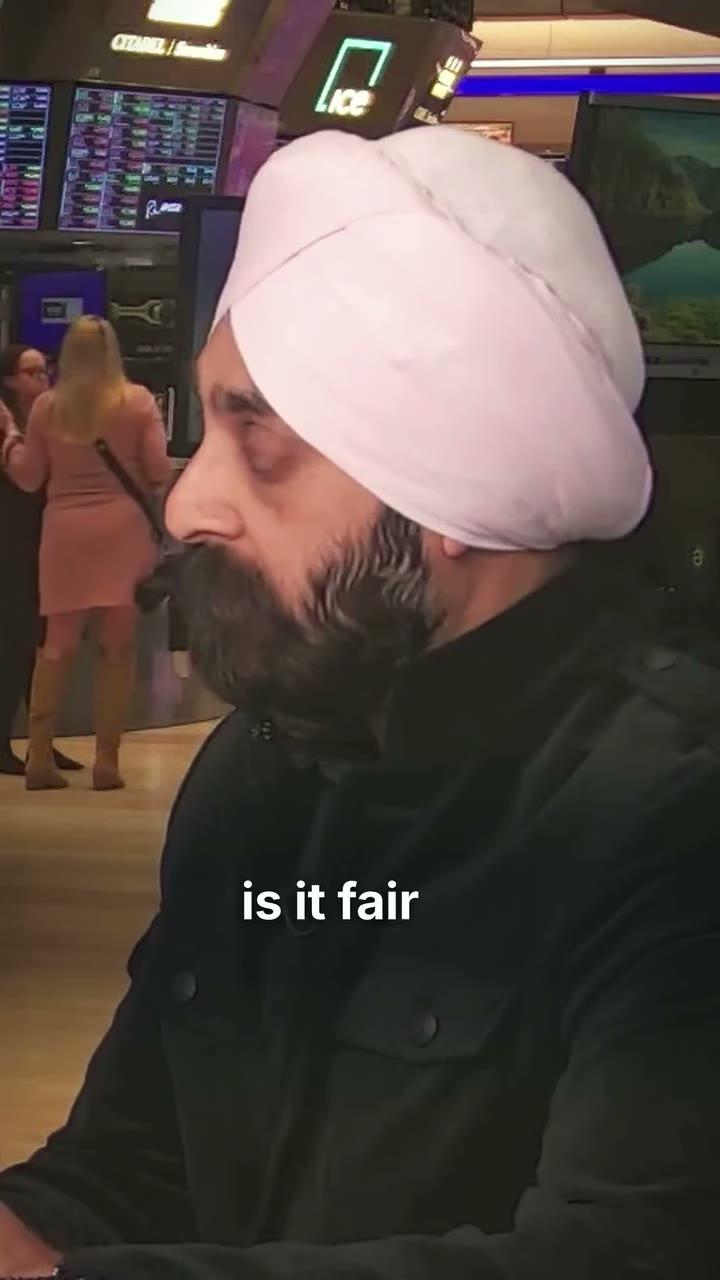
Afghanistan, 2011.
Hundreds of combat casualties, burn pits, radiation. The Bronze Star was a team effort. Ten years to the day came a diagnosis, two children aged 12 and 13, and a promise to be transparent with them.
-
 1:02
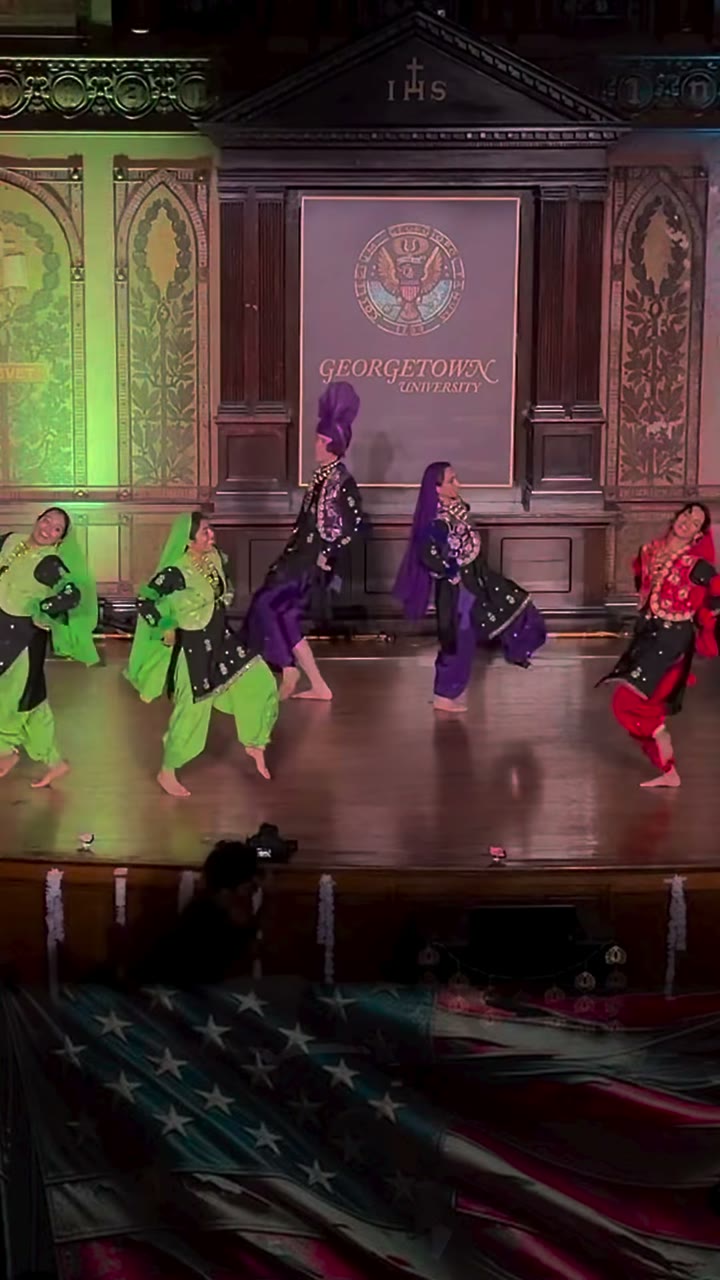
What does American culture sound like?
Dr. Kalsi’s daughter dancing bhangra at Georgetown, about 7,000 miles from where bhangra was born. His great-grandfather wore his turban in the British Indian Army more than a century ago; he fought to serve in his; now she teaches the dance to friends who did not grow up with it.
In person
These stories travel: to a stage, a classroom, a screening.
Dr. Kalsi speaks to military, campus, corporate and community audiences. Booking inquiries go to media@sava.org.
Help tell the next one.
Your gift funds SAVA’s advocacy for Americans of faith in uniform, and the stories that carry it.