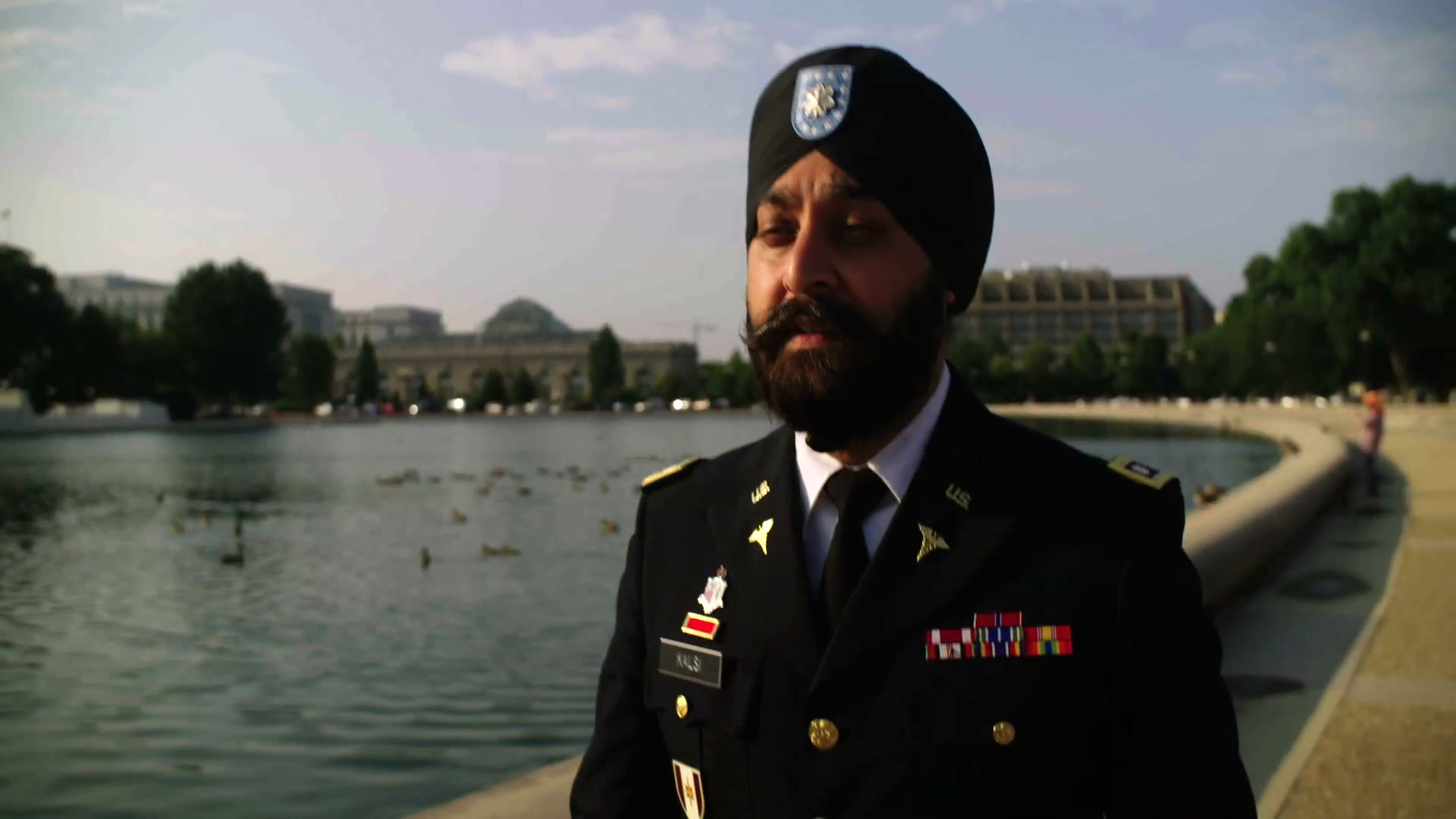
Keynote
Why not both?
Faith and service in the American military: what one accommodation taught the Army, the Marines and a federal court about standards, identity and the strength of a diverse force.
Speaking
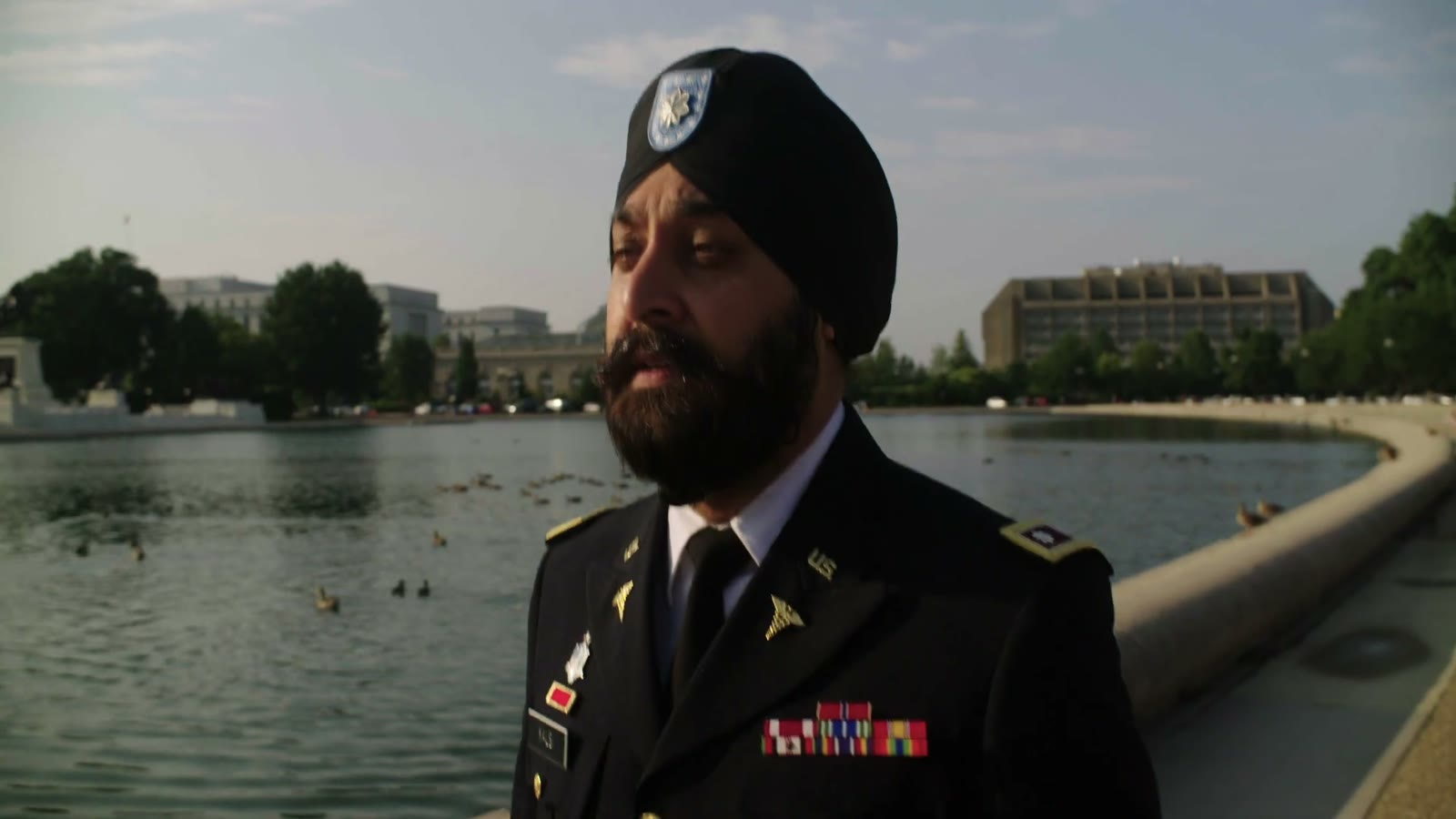
Dr. Kamal S. Kalsi, D.O., is an Army physician, a lieutenant colonel in the U.S. Army Reserve, the founder of the Sikh American Veterans Alliance and the subject of the documentary Colonel Kalsi: Beyond the Call. He tells the story of the fight to serve with turban and beard on stage and on camera.
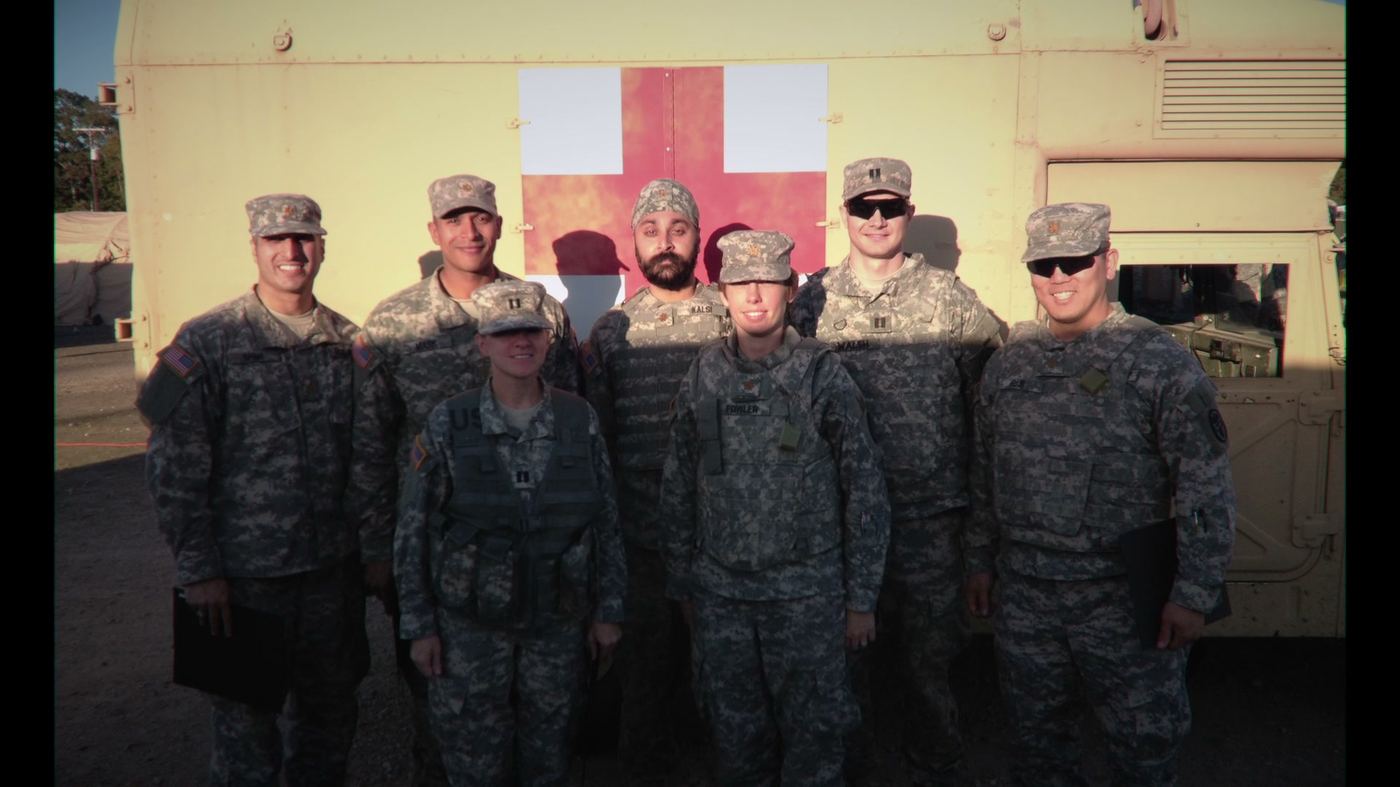
The story, in one arc
Every beat below is documented: in the record, in the film, or in Dr. Kalsi’s own telling.
His great-grandfather wore his turban in the British Indian Army more than a century ago. Sikh regiments marched through France in 1915.
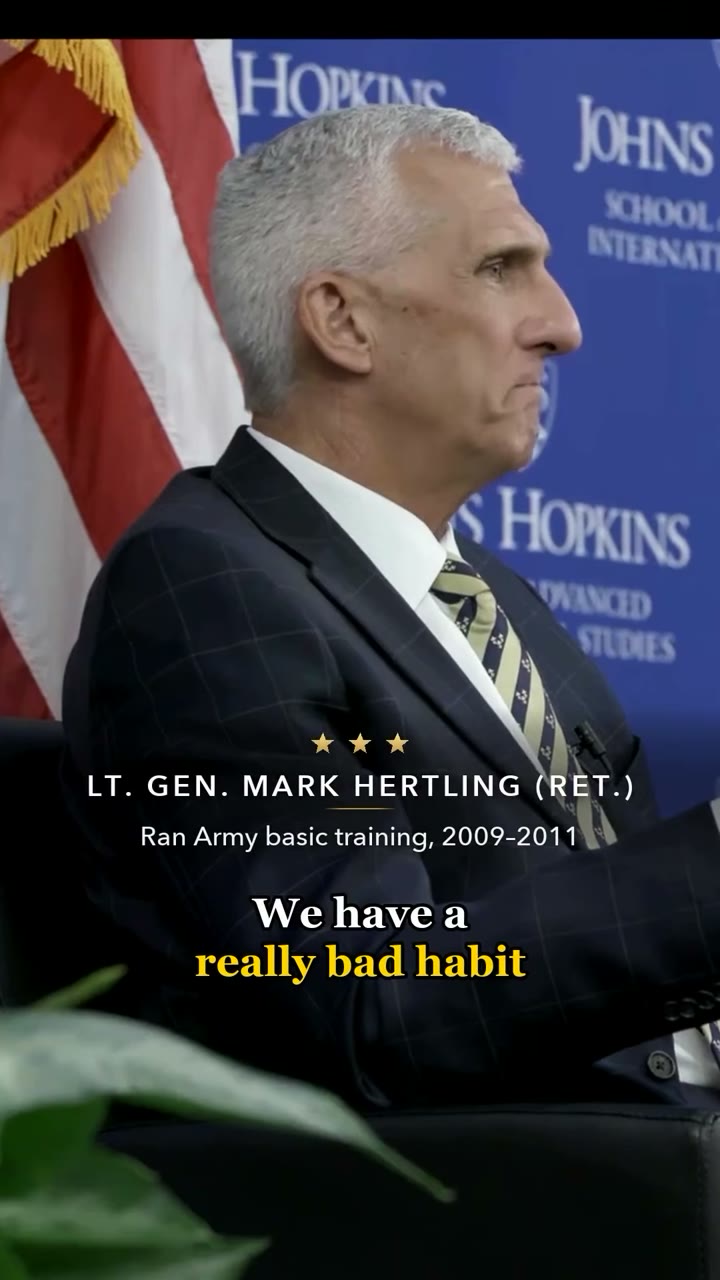
A young Army captain asks to keep his turban and beard. The general in charge of basic training says there is no way, then calls it a no-brainer. For the first time in 23 years, Sikh soldiers keep their articles of faith. He is one of three.
Hundreds of combat casualties at a forward aid station. A Bronze Star, which he calls a team effort.
The Army lets soldiers keep their articles of faith for a whole career. The door opens for other Americans who wear religious head coverings.
Ten years to the date after Afghanistan, a cancer diagnosis. Two children, 12 and 13, and a promise to tell them the truth. The doctor becomes the patient.
The year of the film, and of the Marine Corps case: three Sikh recruits take “shave, or go home” to a federal appeals court, SAVA files in support, and the court opens boot camp to them.
Army Directive 2026-09 puts existing accommodations under review. The fight he thought was won has a next chapter.
A stage, a classroom, a screening.
Book Dr. Kalsi →Talks
Keynotes, fireside conversations, panels, and screenings of the film with a conversation after. For military, campus, corporate and community audiences, in person or on camera.
Keynote
Faith and service in the American military: what one accommodation taught the Army, the Marines and a federal court about standards, identity and the strength of a diverse force.
Keynote
The Sikh soldiers history almost forgot, from the Union line in 1864 and the trenches of 1915 to a veteran’s 18-year road to citizenship, and why their story is America’s.
Fireside · Screening
The documentary, and the conversation after it: the recruiter who warned him, the general who changed his mind, and the price of serving as yourself.
Keynote · Medicine
Leadership under fire, and what a physician learned on the other side of the chart: how to tell the truth to the people who depend on you.
Fees, travel and availability on request.
See him speak
Three of the stories, and the trailer. The full library is on the Stories page; more of his storytelling is on Instagram at @armykalsi.
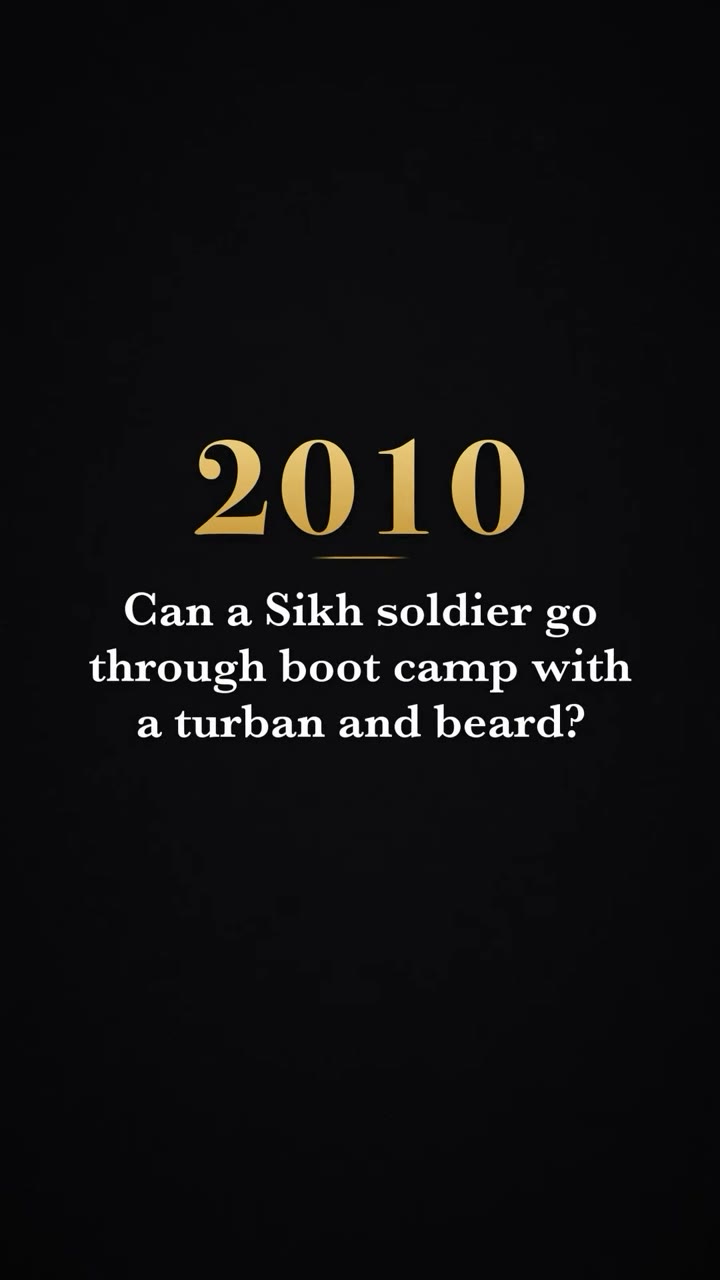 2:44
The general who ran basic training tells the 2010 story.
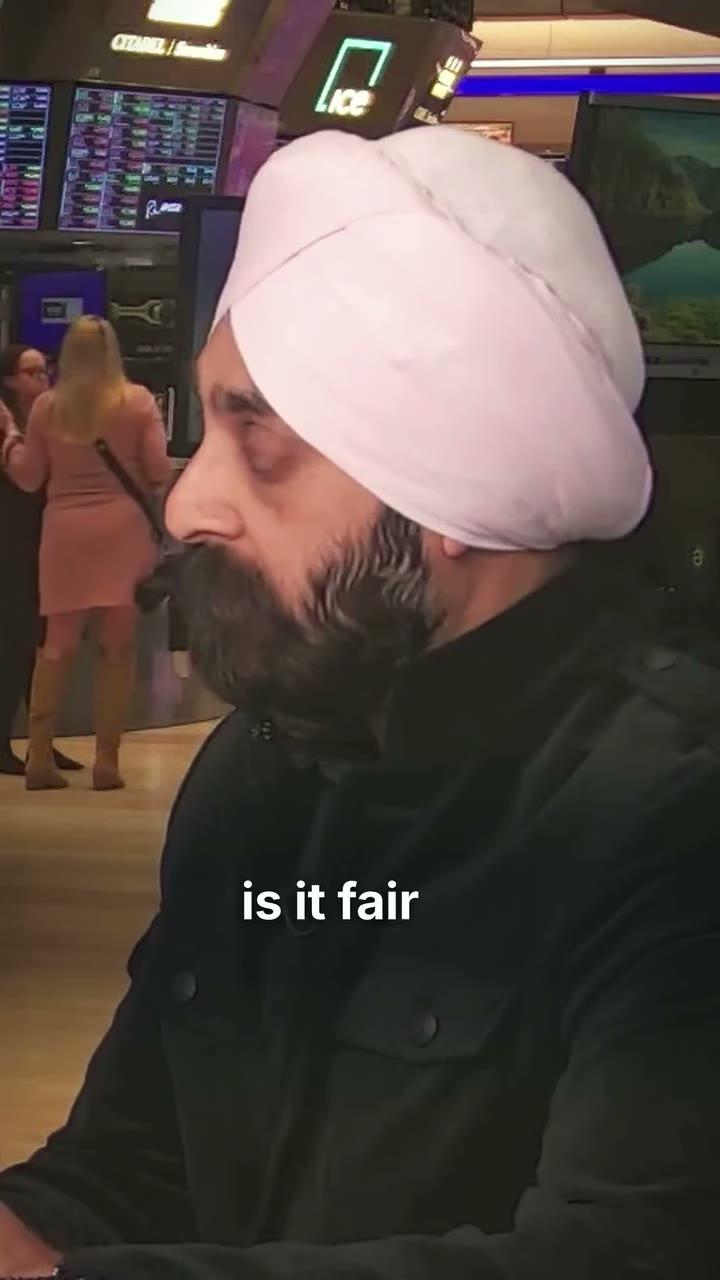 2:06
The aid station, the Bronze Star, and what came ten years later.
 2:18
Bhagat Singh Thind, 1918, and the uniform they shared a century apart.
 1:55
Colonel Kalsi: Beyond the Call, captioned.
Speaking and screenings: one address. Please say who the audience is and when.